🇯🇵 Direct From Japan
🔧 Fitment Checked Before Ordering
📦 Made-to-order Specifications Available
🚚 Australia-Wide Delivery
🇯🇵 Direct From Japan
🔧 Fitment Checked Before Ordering
📦 Made-to-order Specifications Available
🚚 Australia-Wide Delivery
🇯🇵 Direct From Japan
🔧 Fitment Checked Before Ordering
📦 Made-to-order Specifications Available
🚚 Australia-Wide Delivery
🇯🇵 Direct From Japan
🔧 Fitment Checked Before Ordering
📦 Made-to-order Specifications Available
🚚 Australia-Wide Delivery
🇯🇵 Direct From Japan
🔧 Fitment Checked Before Ordering
📦 Made-to-order Specifications Available
🚚 Australia-Wide Delivery
🇯🇵 Direct From Japan
🔧 Fitment Checked Before Ordering
📦 Made-to-order Specifications Available
🚚 Australia-Wide Delivery
🇯🇵 Direct From Japan
🔧 Fitment Checked Before Ordering
📦 Made-to-order Specifications Available
🚚 Australia-Wide Delivery
🇯🇵 Direct From Japan
🔧 Fitment Checked Before Ordering
📦 Made-to-order Specifications Available
🚚 Australia-Wide Delivery
🇯🇵 Direct From Japan
🔧 Fitment Checked Before Ordering
📦 Made-to-order Specifications Available
🚚 Australia-Wide Delivery
🇯🇵 Direct From Japan
🔧 Fitment Checked Before Ordering
📦 Made-to-order Specifications Available
🚚 Australia-Wide Delivery
We've sent you an email with a link to update your password.
Reset your password
We will send you an email to reset your password.
How to Choose Wheel Offset for Your JDM Build
What Is Wheel Offset (ET) and Why Does It Matter?
Wheel offset — stamped on every wheel as "ET" followed by a number — is the distance in millimetres between the wheel's mounting face and its centreline.
Positive offset (e.g. ET+45): The mounting face sits toward the street side of the wheel. The wheel tucks inward. Common on modern factory fitments.
Zero offset (ET0): Mounting face is exactly at the centreline.
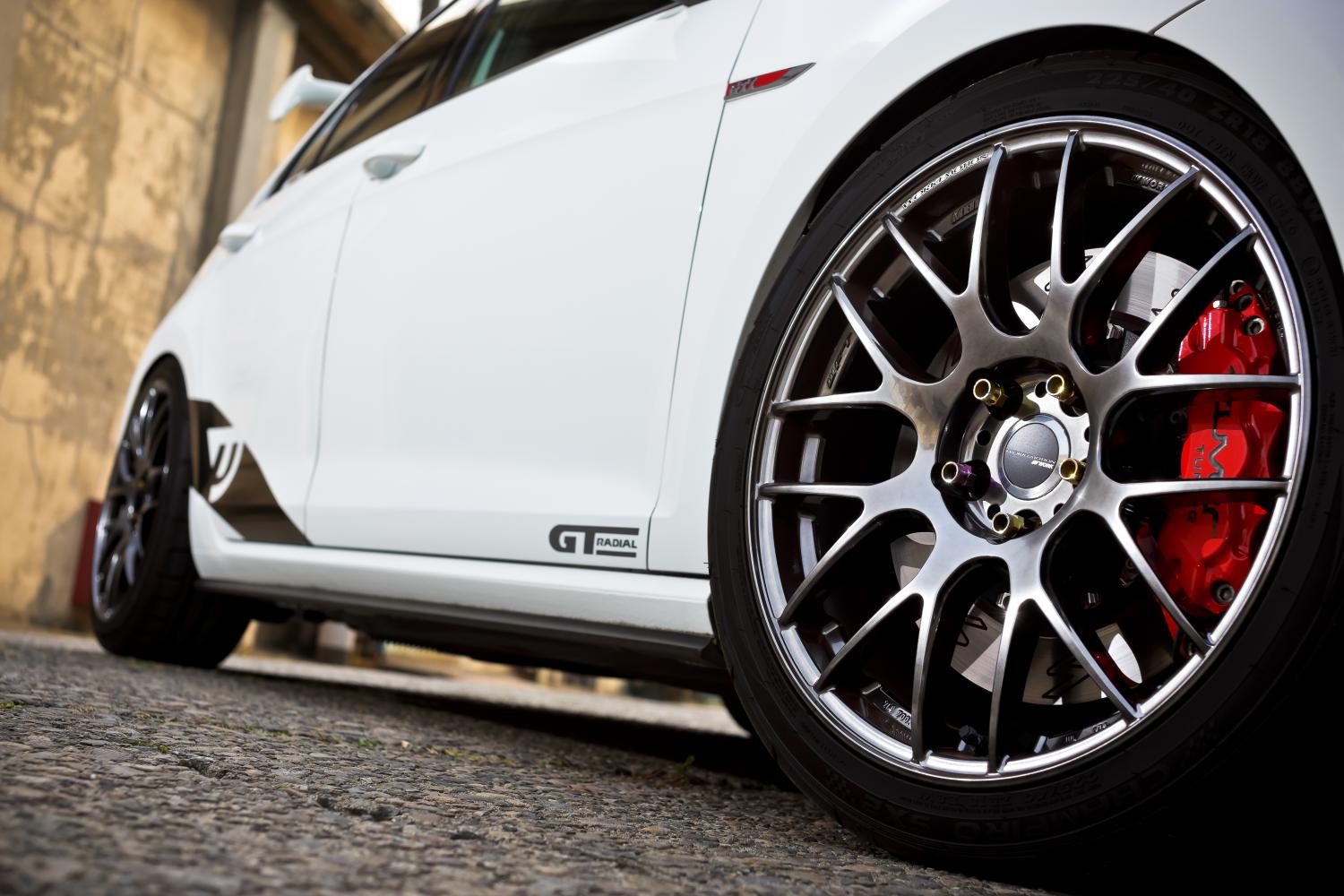
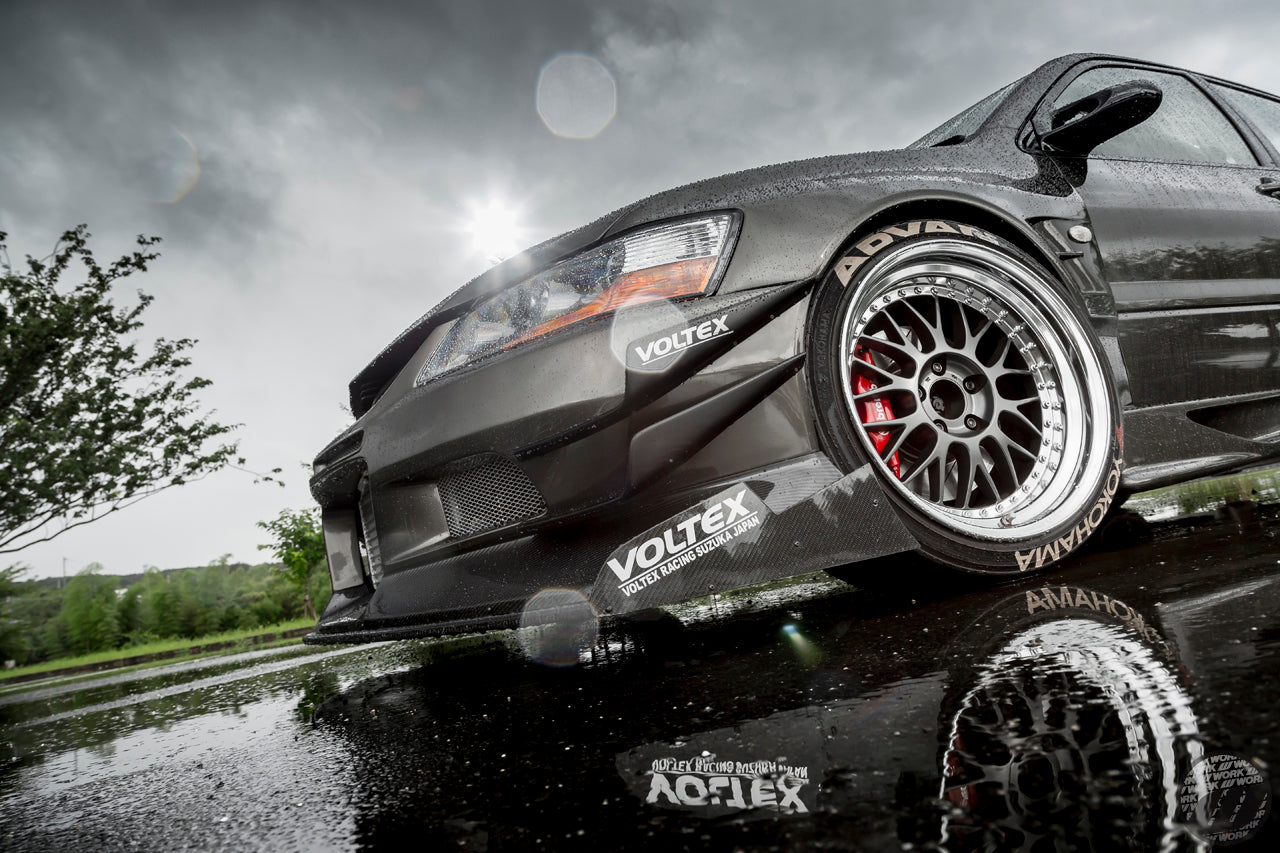
Negative offset (e.g. ET-10): The mounting face sits toward the brake side. The wheel pushes outward — the "deep dish" look.
Getting offset wrong isn't just an aesthetic issue. Too much positive offset and your tyre rubs the inner guard or suspension components. Too much negative and you're rubbing the outer guard, stressing wheel bearings, and potentially failing a roadworthy.
The Other Numbers That Work With Offset
Offset doesn't work in isolation. You need to consider:
Width: A wider wheel at the same offset pushes further outward. A 9J ET+30 sits very differently to a 7J ET+30.
PCD (Pitch Circle Diameter): The bolt pattern — must match your hub exactly.
Hub bore: The centre hole diameter. A spigot ring fills any gap between wheel and hub for a vibration-free fit.
The formula that ties it together: Backspacing = (Width ÷ 2) + Offset
Platform Fitment Guide
Subaru BRZ / Toyota GR86 / Toyota 86 (ZN6/ZD8)
The BRZ and FT86 platform is one of the most popular canvases in the JDM scene — lightweight, rear-wheel drive, and with a factory fitment that leaves plenty of room to go wider and more aggressive.
The FD's rear suspension geometry is complex — extreme negative offset can affect toe and camber behaviour under load
Front clearance around the steering rack is tight; always test lock-to-lock before committing
Many FD builds run a staggered setup (wider rear) to complement the car's natural balance
How to Measure Your Current Offset
If you're unsure what your current wheels are running, here's how to measure:
Remove the wheel and lay it face-down on a flat surface
Measure the total width of the wheel barrel in mm — divide by 2 to find the centreline
Measure the distance from the flat mounting face to the back edge of the barrel (backspacing)
Offset = Backspacing − (Total Width ÷ 2)
Final Tips Before You Buy
Always confirm with your tyre shop or a fitment calculator before ordering — real-world clearances vary with suspension setup, ride height, and tyre brand
Spigot rings are cheap insurance — always run them if your wheel's hub bore is larger than your car's hub
Consider a staggered setup — running a slightly more negative offset on the rear than the front is a popular JDM technique for a balanced, aggressive look
Check your state's roadworthy rules — in Australia, protrusion beyond the guard line can be an engineering issue depending on your state
Ready to find your perfect fitment? Browse our full range of JDM wheels below.
Every vehicle is different. Our team can help you select the right wheel size, offset, brake clearance, tyre sizing and suspension setup for your build before you place your order.